

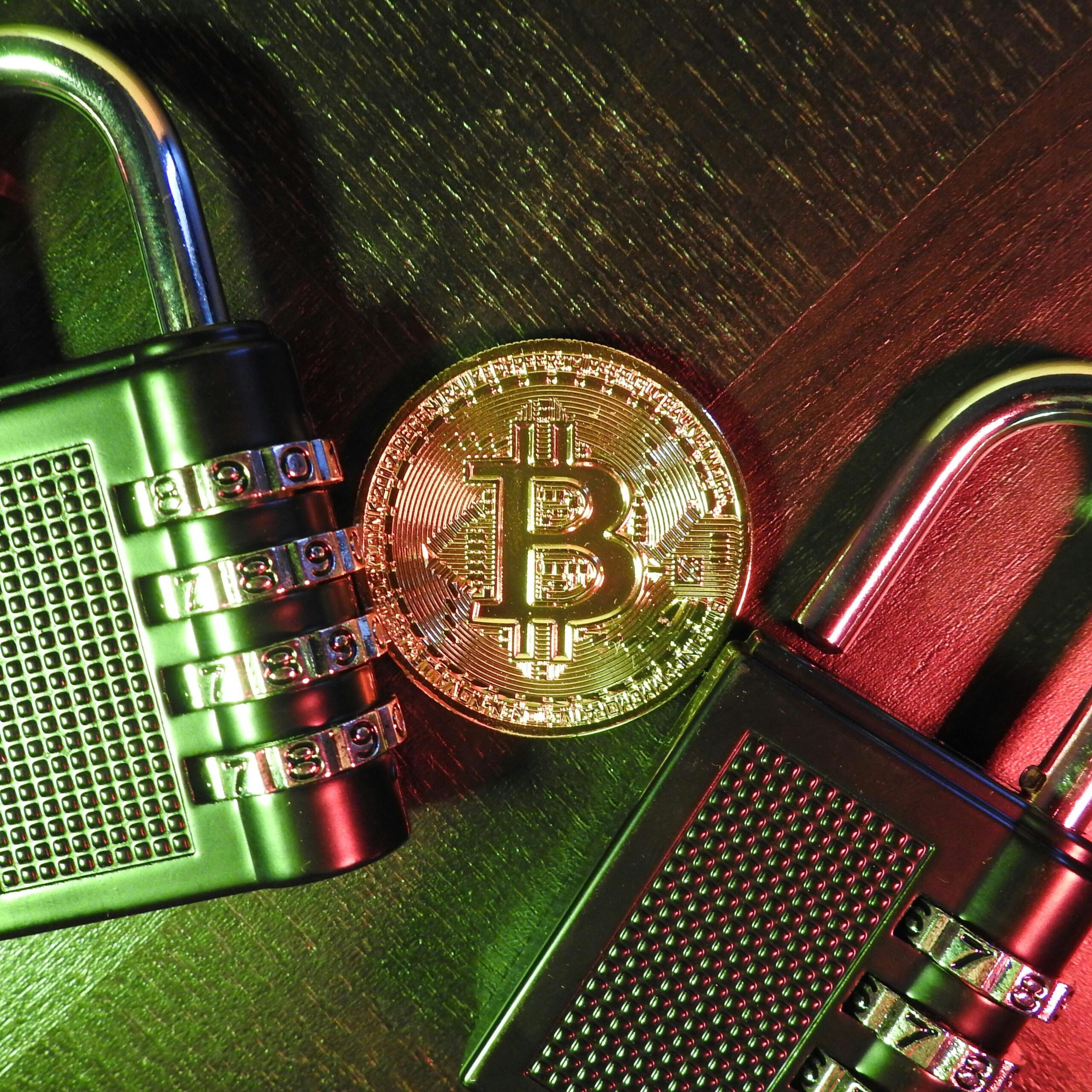
As cryptocurrency adoption grows globally, crypto security is becoming more important than ever. In 2025, digital assets face evolving threats—from sophisticated phishing attacks and malware to smart contract vulnerabilities and insider fraud. Protecting your crypto wallet requires understanding these risks and implementing proactive security measures. Here’s a comprehensive guide to staying safe in the increasingly complex crypto ecosystem.
Emerging Crypto Threats in 2025
1. Advanced Phishing and Social Engineering
Phishing attacks are no longer limited to fake emails. Hackers now use deepfake audio, cloned websites, and AI-driven scams to trick users into revealing private keys or seed phrases. Social engineering attacks have also become more targeted, exploiting social media and crypto communities.
2. Malware and Ransomware
Malware designed specifically for crypto wallets is on the rise. Keyloggers, clipboard hijackers, and malicious browser extensions can steal funds instantly. Ransomware attacks now demand cryptocurrency payments, making victims’ wallets high-value targets.
3. Smart Contract Vulnerabilities
DeFi platforms and NFT projects rely heavily on smart contracts. Bugs, exploits, and poorly audited code have led to billions in losses. Attackers in 2025 are increasingly using automated bots to detect vulnerabilities and execute flash-loan attacks.
4. Insider Threats and Exchange Hacks
Even established exchanges face risks from rogue employees or management errors. While major exchanges improve security, centralized platforms remain a single point of failure, putting users’ funds at risk.
Best Practices to Protect Your Wallet
1. Use Hardware Wallets
Cold storage devices, such as Ledger or Trezor, keep your private keys offline and immune to online attacks. They remain the most secure way to store crypto, especially for long-term holdings.
2. Enable Multi-Factor Authentication (MFA)
Always use MFA on exchanges, wallets, and crypto services. Authentication apps (like Google Authenticator) are preferred over SMS-based codes, which can be intercepted.
3. Keep Software Up-to-Date
Regularly update wallet apps, antivirus software, and operating systems. Developers often release security patches to fix vulnerabilities exploited by hackers.
4. Verify Smart Contracts
Before interacting with DeFi or NFT platforms, check smart contract audits and reviews. Only use trusted protocols with a proven security track record.
5. Use Strong, Unique Passwords
Never reuse passwords across accounts. Consider a password manager to generate complex, unique credentials for wallets and exchanges.
6. Stay Educated and Vigilant
Crypto threats evolve constantly. Follow trusted news sources, security blogs, and community alerts to stay aware of emerging risks.
Future Trends in Crypto Security
In 2025, AI-driven monitoring tools and decentralized identity systems are expected to play a key role in reducing fraud and enhancing wallet protection. Zero-trust architectures and blockchain analytics will also help users and institutions detect suspicious activity faster.
Conclusion
As the crypto ecosystem grows in 2025, so do the risks. From advanced phishing attacks to smart contract exploits, securing your digital assets requires vigilance, proper tools, and proactive habits. By using hardware wallets, multi-factor authentication, and verified platforms, investors can enjoy the benefits of crypto while minimizing risk. Staying informed and cautious is the best strategy to protect your wealth in the evolving digital economy.